

SALT
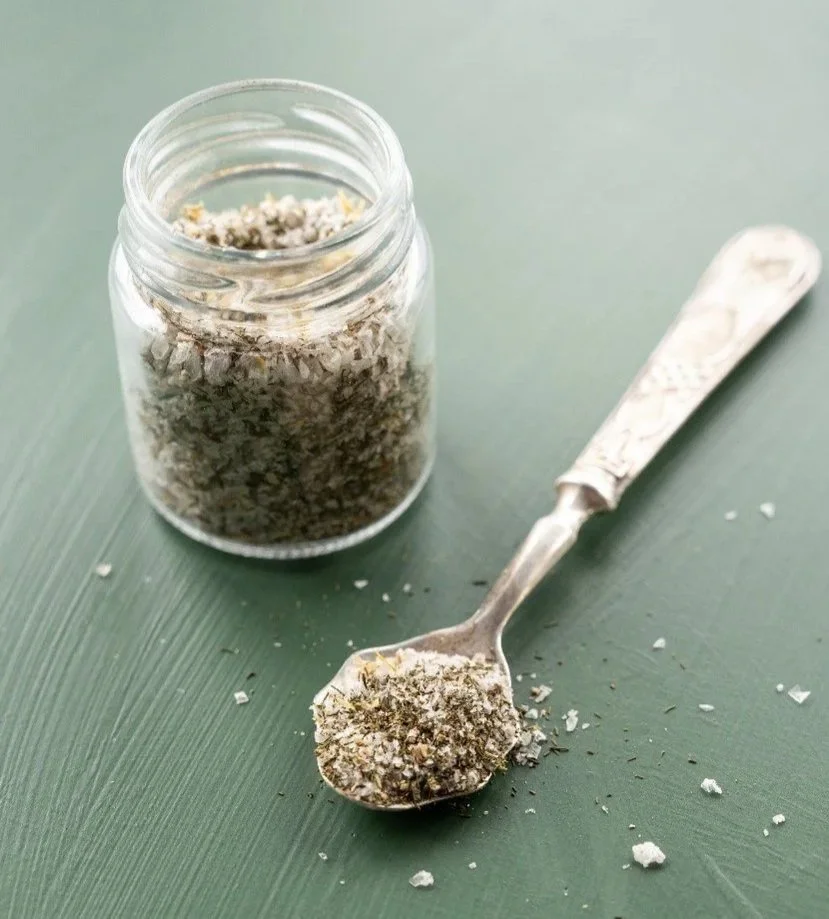
My fennel salt
Over the summer I came up with a new project. I spent my weekend gathering wild fennel flowers to dry and collect the pollen. This delicacy in Europe is literally going to waste along our roadsides, so I saw an opportunity. After many hours traipsing along railway lines in the summer heat, collecting the fennel, I ended up with about 2 cups of pollen. There is a reason this stuff is expensive to buy! With not enough to sell I made it into salt, combining it with the fennel seeds from my garden (distracted by the wild stuff my home crop had gone to seed!) and Marlborough Sea Salt.
And it’s beautiful! I rubbed it into the roast pork last Sunday for a flavoursome crackling. I added it to my mascarpone and pork sausage pizza for a subtle but delicious elevation.
In anticipation of my new product line, I ordered a couple of kilos of Marlborough Sea Salt. I’m an avid fan of Maldon as a finishing salt but for this I wanted a New Zealand product and think Marlborough Sea Salt is pretty darn good. Definitely the best flaky sea salt in New Zealand in my opinion.
Which got me to thinking, salt – what’s the big deal?
Firstly, imagine a world without salt? How bland and flavourless much of our food would be. There’s a reason manufactured food is high in salt, it’s a cheap way to get flavour.
But before flavour, salt’s purpose was in preserving food.
Salt was so highly valued in antiquity it was traded ounce for ounce with gold in West Africa. The Romans built roads, like the Via Salaria (Salt Road), stretching from the Adriatic Sea to Rome, solely to transport that salt.
In Ancient Rome, salt was vital enough that soldiers received salt rations known as salarium argentum, which is where we get the English word "salary".
The control of salt gave rise to political and economic power. Venice, for instance, built its empire through a strict salt monopoly.
Taxes on salt contributed to revolutions like the French where oppressive salt tax known as the gabelle heavily burdened the poor and was one of the catalysts leading up to the French Revolution.
In the 20th century, Mahatma Gandhi used salt as a powerful political tool during the 1930 Salt Satyagraha, marching to the sea in a non-violent protest against the British salt monopoly and taxation.
Today salt is an everyday, cheap commodity, hence its heavy use in manufactured foods. And while I might like to get bougie with finishing salts like my fennel version or a light flaky seas salt in homemade dukkha, to sprinkle over avocado toast… your everyday iodised salt is the workhorse in my kitchen.
With no iodine accruing naturally in New Zealand’s soils, we do not get this essential mineral in our diets any other way than through iodised salt. So don’t waste expensive flaky sea salt where you won’t be able to taste the flavour or appreciate the texture.
And yes, different sea salts to taste different. It’s subtle and nuanced but it’s there. What I think most bring to the table is a taste of place, tales of history and more often than not a natural art form.
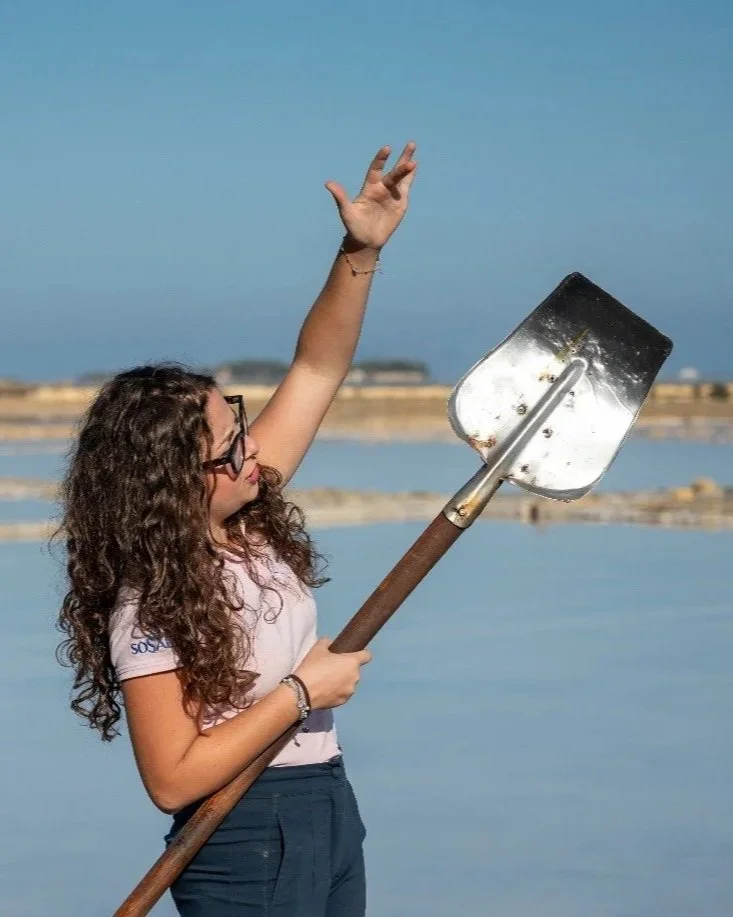
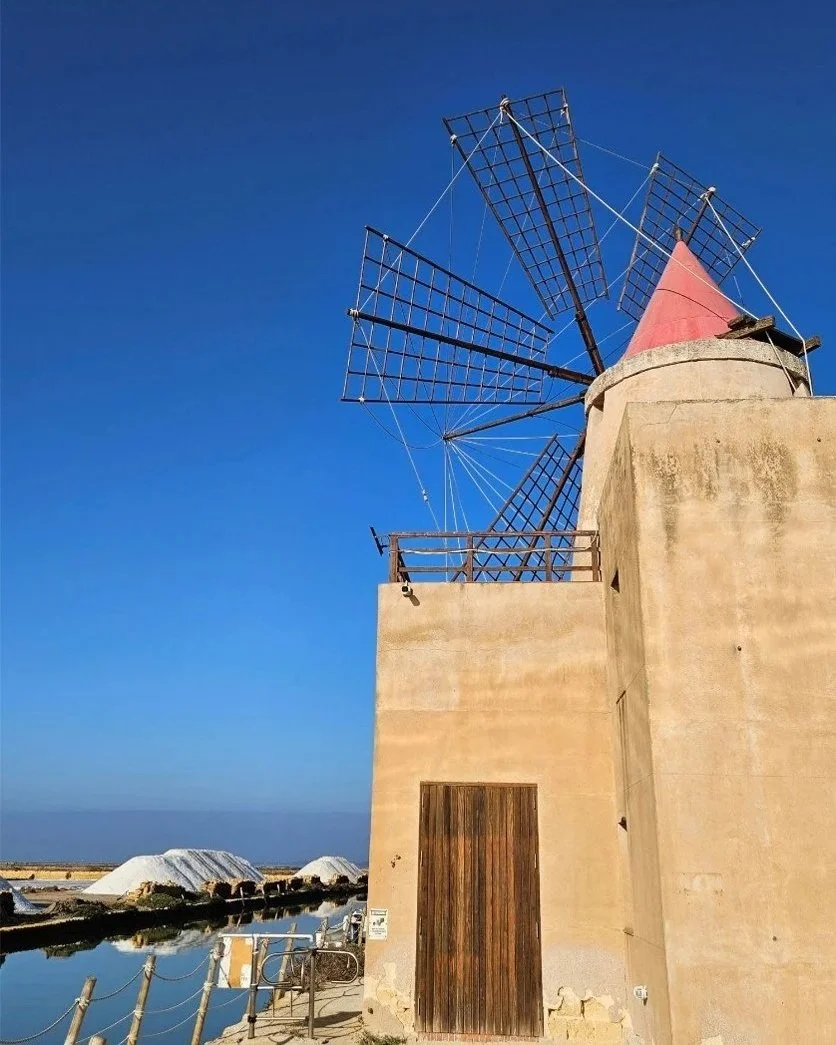
In Sicily we visit the ancient salt pans of Marsala. Here the conditions are perfect for harvesting pure sea salt, something the Phoenicians recognised when they settled here around 800BC. Here the shallow waters, clay soil, and hot African winds created the perfect conditions for solar collection.
This practice continues today and a highlight of out Taste of Sicily tour where we walk out onto the salt pans, see how it has been made and collected for centuries and taste the results.
The importance of salt and its key part in many countries’ history can be seen by the fact that salt experiences feature in our Taste of Sicily, Taste of Malta, Taste of Croatia and Taste of Tasmania tours.
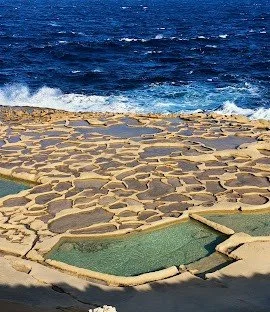
Salt pans of Gozo
In Malta on the island of Gozo the Xwejni salt pans are an interesting glimpse into the traditional method of collecting sea salt on the island dating back to the Phoenicians and Romans.
We visit the checkerboard of hand-carved limestone rock pools stretching 3 kilometres along the northern coast of Gozo that salt is still hand harvest from today.
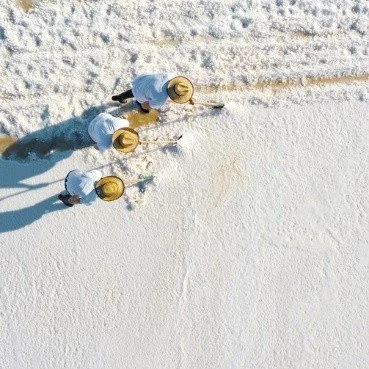
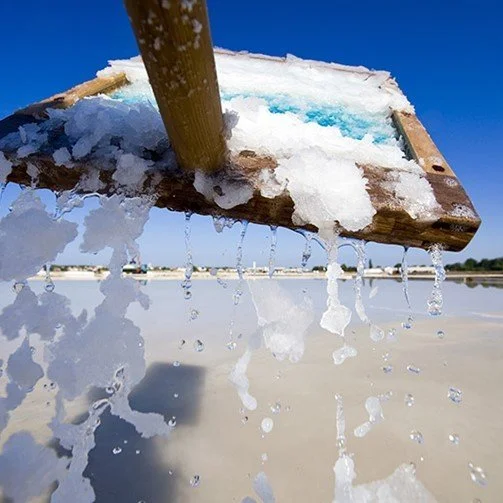
In Croatia we head to Nin, just outside Zadar. Within a 55-hectare coastal lagoon the Nin Salt Pans (Solana Nin) are Croatia’s oldest operational saltworks. This crucial natural salt producing lagoon was bought by the Venetians in 1423 to eliminate competition and consolidate their trade monopolies.
Consequently, the Nin pans were largely closed for five centuries before resuming full-scale traditional harvesting in 1954.
Bucking the trend of our ancient salt pans is Tasman Sea Salt. This very new, especially in salt making traditions, salt producer started just 13 years ago.
During a visit home to Tasmania, Chris Manson and Alice Laing realised that even though the island was surrounded by some of the world's cleanest water, local kitchens were stocking salt imported from the UK. This realization sparked the idea to create a local, artisanal alternative.
Their Little Swanport plant is located near the site of Tasmania's first sea salt venture. In the 1830s, Irish settler James Radcliff attempted to operate a saltworks in the region, but it was not commercially successful and closed within a decade.
Tasmania lacks the heat we experience in Sicily and Malta, so Tasman Sea Salt developed a mechanized process relying on natural energy. They use solar power during the day and ocean thermal energy at night to gently evaporate the pumped seawater, leaving behind bright white salt flakes with a high trace mineral profile.
Join us for more than just a culinary adventure! www.tasteoftours.com.